Health and Safety Policy for a Removal Van Service in Islington
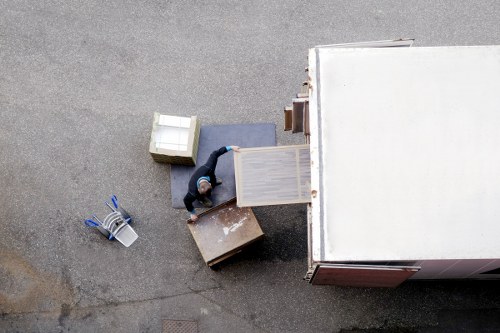 Our health and safety policy sets out the standards we follow to protect our team, customers, property, and the public during every move. Whether a job involves a single item or a full house relocation, our approach to removal van safety is built on planning, awareness, and consistent control measures. We aim to reduce risk at every stage, from loading and transit to unloading and post-job checks. This policy applies to all staff involved in removal van operations, including drivers, porters, and supervisors.
Our Commitment
We are committed to carrying out every removal van service safely and responsibly. This means identifying hazards early, using suitable equipment, maintaining vehicles properly, and ensuring that everyone understands their duties. Safety is not treated as a separate task; it is part of how we work every day. Our team is expected to act professionally, communicate clearly, and stop work if conditions become unsafe.
Core Safety Principles
Our main principles are straightforward: prevent avoidable injury, protect property, and minimise disruption.  We achieve this through careful preparation, correct manual handling, and sensible decisions on site. Every removal van team member is expected to follow safe systems of work, wear appropriate protective equipment where needed, and report anything that could create a risk. We also encourage a culture where safety concerns are raised early and addressed without delay.
Before each job, we assess the route, access points, load type, and any limitations that may affect safety. This includes checking for stairs, narrow hallways, fragile surfaces, weather conditions, and parking restrictions that might increase risk. When carrying out a house removal van assignment, we consider how items will be moved, who is responsible for each task, and whether extra support or equipment is required.  These checks help us avoid rushed decisions and unsafe lifting.
Manual Handling and Loading
Manual handling is one of the most important safety areas in any van removal service. Heavy, awkward, or unstable items can cause injury if handled incorrectly. To reduce this risk, our staff are trained to lift with care, use team lifts where appropriate, and avoid twisting, overreaching, or carrying more than they can safely manage. We also use straps, dollies, blankets, and trolleys to support safe movement of goods.
Safe Loading Procedures
Loading a removal van must be done in a controlled and organised way. Heavy items are placed first and secured to prevent shifting during travel. Fragile items are protected with suitable packing materials and positioned to avoid pressure or impact.  We make sure loads are balanced and that the van remains within safe operating limits. Nothing is loaded in a way that blocks visibility, damages equipment, or creates a hazard during transport.
Vehicle safety is equally important. Our removal vans are inspected regularly to ensure they remain roadworthy, clean, and fit for purpose. Checks include tyres, brakes, lights, mirrors, fluid levels, and securing equipment. Drivers are expected to complete basic pre-use inspections and report defects before starting work. If a fault affects safety, the vehicle is taken out of service until it has been repaired and confirmed safe to use.
Working at Customer Properties
When staff work inside homes, flats, or business premises, they must respect the environment and remain alert to hazards. Floors may be slippery, entrances may be tight, and objects may be stored in awkward places. For this reason, our removals van Islington operations emphasise careful movement, tidy working areas, and clear communication with customers and colleagues. We ask that pathways remain as clear as possible so that trips and falls can be avoided.
Use of Equipment and Protective Measures
We use equipment that is suitable for the task and in good condition. This includes protective gloves, loading aids, ties, padding, and visibility aids when necessary.  Where extra precautions are needed, such as in poor weather or low-light conditions, staff are instructed to slow down, increase awareness, and use additional control measures. In all cases, health and safety in removal vans depends on using the right method rather than taking shortcuts.
Training, Reporting, and Responsibility
All team members receive safety instruction relevant to their role and are expected to apply that training consistently. New starters are briefed on procedures for lifting, vehicle checks, route planning, hazard reporting, and emergency response. Supervisors monitor compliance and support staff where needed. If an incident, near miss, or unsafe condition occurs, it must be reported promptly so that corrective action can be taken and lessons can be learned.
Every employee has a responsibility to protect themselves and others. This includes following instructions, using equipment correctly, and refusing to continue if conditions become unsafe. We expect open communication and mutual respect throughout every removal van service job. By keeping safety at the centre of our work, we aim to deliver a reliable and professional service while reducing risk to people and property.
Our policy is reviewed regularly to make sure it stays effective and up to date. Changes may be made in response to operational experience, equipment updates, or new safety requirements. The goal is always the same: to maintain a safe, efficient, and well-managed removal van operation that protects everyone involved.