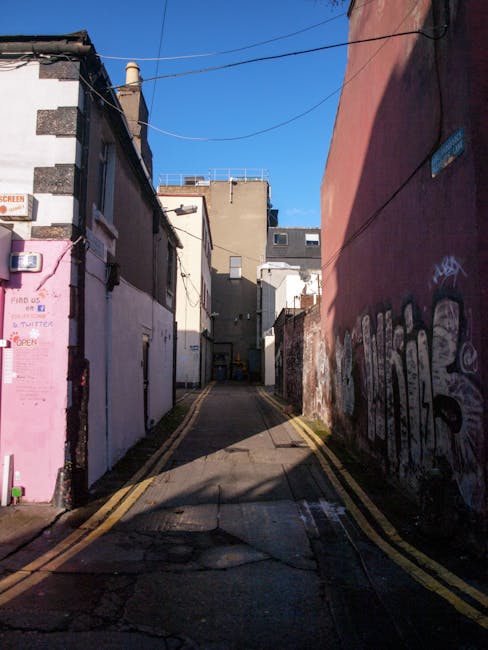
Removals access tips for narrow streets off Holloway Road
Posted on 28/05/2026
Removals access tips for narrow streets off Holloway Road: a practical guide to smoother moving day
Moving in this part of Islington can feel deceptively simple on a map. Holloway Road looks broad enough, busy enough, familiar enough. Then you turn off into one of the side streets and, suddenly, the story changes. Tight turns, parked cars, low branches, traffic that seems to appear from nowhere, and not much room to spare. That is where Removals access tips for narrow streets off Holloway Road really matter.
If you are planning a flat move, a house move, or even a quick furniture delivery, the real challenge is often not the boxes. It is the access. Can the van stop safely? Can the crew carry items without blocking the street? Will a larger vehicle even fit? And what happens if everyone arrives at once on a weekday morning when the road is already full? Lets face it, a moving day with poor access can become a bit of a domino effect.
This guide walks through the practical side of moving on narrow Islington streets. You will find step-by-step planning advice, common mistakes, local realities, and a few simple habits that make the whole process calmer. It is written for people who want the move to happen cleanly, safely, and without unnecessary faff.
Quick tip: if you are still comparing moving support, pages like Removals in Islington, flat removals in Islington, and man with a van in Islington can help you match the service to the kind of access you actually have.

Why Removals access tips for narrow streets off Holloway Road Matters
Access is the difference between a move that feels organised and one that feels like a small disaster unfolding in public. Narrow streets off Holloway Road often combine several awkward features at once: parked cars on both sides, limited turning space, tight corners, residents coming and going, and flats with stairs or basement entries. None of that is unusual in North London. But all of it affects how a removal should be planned.
When access is underestimated, crews may have to park further away than expected, which means longer carrying distances, more handling time, and a higher chance of fatigue or damage. Even a short extra walk with a wardrobe or a sofa becomes noticeable. One person carries, another steadies, somebody else is trying to keep the doorway clear, and the whole rhythm gets slower. Not impossible. Just clumsy.
For residents near Holloway Road, the issue is rarely the move itself; it is the street environment around it. A well-prepared move respects the reality of the road, the neighbours, and the property layout. That is why local knowledge matters. If you want broader context about the area and living patterns in the borough, the guide on living in Islington is a useful companion read.
The practical takeaway is simple: planning access early saves time, reduces stress, and helps you choose the right size of vehicle and the right kind of support. That is the bit people feel on the day.
How Removals access tips for narrow streets off Holloway Road Works
Good access planning is not mysterious. It follows a few clear steps: assess the street, assess the property, match the vehicle to the route, and decide how the loading and unloading will happen. In narrow streets, those decisions matter more than they do on a wide suburban road with driveways and open frontage.
Start with the street itself. Ask: where can a van stop without blocking junctions, crossings, or access for residents? Is there enough room for the rear doors to open safely? Can the vehicle reverse or turn without a three-point turn that holds up traffic? These are basic questions, but they shape the whole job.
Next, consider the building. A first-floor flat with a narrow staircase is a different proposition from a ground-floor maisonette with direct front access. Internal hallways, intercoms, shared entrances, and basement steps all change the pace of the move. If you are unsure what level of support fits your property type, the service pages for house removals in Islington and flat removals in Islington are good reference points.
Then there is timing. On busier roads, a move at 8:00 a.m. can feel very different from one at midday or late afternoon. School runs, deliveries, local traffic, and permit-related parking patterns all play a role. A good access plan usually blends the van size, arrival window, and carrying route into one practical setup instead of treating them separately.
Expert summary: the best removals access plans are boring in the best possible way. No drama, no guessing, no last-minute reshuffles. Just a vehicle that fits, a route that works, and a crew that knows where to stand, park, and carry.
Key Benefits and Practical Advantages
Thoughtful access planning pays off quickly. The most obvious benefit is less time wasted. If a van can get close to the entrance, the crew can focus on moving items rather than walking long distances back and forth through a congested street. That sounds obvious, but on moving day even ten minutes can matter quite a lot.
There is also a clear safety benefit. Narrow roads can be unforgiving, especially where visibility is poor or drivers are edging around parked cars. A measured approach reduces the chance of scraped mirrors, scuffed walls, dropped items, and awkward encounters with pedestrians. In our experience, people often worry about damage to furniture first, but the building and the street are just as important.
Another advantage is neighbour relations. Nobody enjoys finding a van blocking their gate or a pile of boxes on the pavement. Clear access planning helps you keep the move tidy, which matters in close-knit streets where people notice what is happening. A small courtesy goes a long way.
There is a cost angle too. Access that is clearly planned can reduce unnecessary labour time and lower the chance that you need extra vehicle trips. If you are comparing quote structures, the page on pricing and quotes is a sensible place to look at how moving costs are usually explained.
- Less carrying distance for heavy items
- Lower risk of damage to furniture and property
- Better parking and stopping decisions
- Less disruption to neighbours and local traffic
- More accurate planning for time and cost
Who This Is For and When It Makes Sense
This advice is for anyone moving in or around the side streets off Holloway Road where access is tight enough to be a genuine issue, not just an inconvenience. That includes tenants moving into a third-floor flat, homeowners with narrow frontages, students with a few bulky items, and small businesses relocating stock or equipment. It also applies if you are not moving a full household but need a vehicle to collect furniture, appliances, or specialist items.
It is especially useful if your move includes one or more of the following:
- a long walk from the van to the front door
- a shared entrance with limited waiting space
- steep stairs, basement steps, or awkward landings
- parking restrictions near the property
- bulky or fragile items such as wardrobes, mirrors, or a piano
If your move is simple and ground-floor, you may not need much preparation. But if the van cannot stop directly outside, or if your building has an awkward access path, then this kind of planning becomes worthwhile very quickly. That is true whether you are arranging a standard move or looking at something more flexible like man and van in Islington or a more fully managed removal services package.
And yes, it also makes sense for same-day or short-notice moves. In fact, it matters even more then, because there is less room for correction later. A rushed move on a narrow street can become chaotic fast. Nobody wants that.
Step-by-Step Guidance
A good access plan starts before the van arrives. If you are moving off Holloway Road, work through the move in stages rather than trying to solve everything on the day. Here is a practical approach that works well for most local removals.
- Measure the access route. Check the width of the street entrance, the path to the property, the doorway, and any stair bends. If you have a large sofa or wardrobe, measure it too. The item may fit the room but fail the turning point halfway up the stairs. That happens more often than people think.
- Identify parking and stopping options. Look for a place where the van can pause legally and safely without blocking access. If parking is constrained, consider whether loading needs to happen in short stages rather than all at once.
- List awkward items first. Bulky furniture, mirrors, washing machines, and boxed electronics need the most thought. If one item is likely to cause delay, build the plan around it.
- Decide whether you need extra hands. Narrow streets and stairs often justify a two-person or three-person crew because handling is easier and safer. The goal is not just speed; it is control.
- Prepare the property. Move bikes, bins, prams, and loose items from the frontage or hallway. Clear the route so the crew can move without stopping every few seconds.
- Protect floors and doorways. Runners, blankets, and edge protection help reduce scuffs, especially where the move involves repeated trips over the same narrow threshold.
- Confirm arrival timing. A tight street can feel even tighter when traffic is already heavy. If possible, pick a time that avoids obvious local peaks.
- Walk the route with the crew. A two-minute walk-through on arrival often solves issues before they become problems. It is simple, but very effective.
If your move also involves moving smaller household items into storage, the page on storage in Islington may be useful for planning what needs to travel now and what can wait. Truth be told, splitting the move into stages can make a narrow-street relocation feel much lighter.
Expert Tips for Better Results
Here is the stuff that tends to make a real difference, especially on busy local roads where the margin for error is slim.
1. Use the smallest vehicle that still does the job
It is tempting to book the largest van you can get and assume bigger means safer. Not always. On narrow streets, a smaller or medium van may actually be the better choice because it can stop closer to the property and manoeuvre more cleanly. The ideal vehicle is the one that fits the street and the load, not just the one with the most space.
2. Pre-pack with handling in mind
Label boxes clearly, keep heavy items in smaller cartons, and avoid awkward overfilled boxes that tear when lifted. Good packing is an access issue too, really. If items are easy to carry, the route matters less.
For households that want extra support, the packing and boxes service can be a practical help, especially where access is already tricky and time is limited.
3. Treat the front path like part of the job
Loose mats, plants, wet leaves, and bike locks can create a small trip hazard in a hurry. Clear the route from van to door and then check it again. A dry-looking step can still be slippery on a cool morning, especially if the pavement has a bit of grime from traffic.
4. Communicate the awkward bits early
If you know the bedroom is up a narrow stairwell or the piano sits in a room with a tight corner, say so early. Good removal teams can plan around awkward access, but only if they know it exists. Silence helps nobody.
5. Keep one person free to manage the doorway
When items are coming in and out, the doorway can become a bottleneck. Having one person steady the flow, open doors, and watch for pedestrians can make the whole process feel far calmer.
6. Think about weather and light
Rain makes pavements slick and creates more mess underfoot. Poor light makes steps and kerbs harder to judge. Winter moves in particular benefit from a little extra caution. Nothing dramatic, just sensible.
For businesses moving equipment or office furniture, this type of planning is just as important. You can see how a more structured move works on the office removals in Islington page, which is useful if your access challenge sits alongside desks, files, and time-sensitive equipment.

Common Mistakes to Avoid
A lot of moving stress comes from small assumptions. People assume the van can stop closer than it can. They assume the sofa will fit through the staircase. They assume the neighbour's car will not be there. Then moving day arrives and, well, everyone suddenly becomes a bit more realistic.
Here are the most common problems to watch for:
- Booking a vehicle without checking street access. A van that is fine on paper can be awkward in practice.
- Ignoring parking restrictions or loading limitations. Even short loading windows need attention.
- Underestimating carry distances. A few extra metres is not trivial when repeated 20 times.
- Failing to measure furniture. Stair turns and door frames cause more issues than many people expect.
- Leaving bins, bikes, or plant pots in the route. It sounds minor until somebody trips or slows the whole queue.
- Assuming one person can manage everything. On a narrow street, teamwork is not a luxury.
Another quiet mistake is not building enough buffer time. A move that looks straightforward can become slower because a delivery truck is parked nearby, or because another resident needs access while your crew is loading. That is normal in London. The trick is to expect some friction and plan around it rather than pretending it will not happen.
Tools, Resources and Recommendations
You do not need fancy kit to handle a move well, but a few practical tools make access on narrow streets much easier. The real value is in reducing lifting strain, protecting items, and keeping the route controlled.
| Tool or support | What it helps with | Best used when |
|---|---|---|
| Furniture blankets | Protecting corners, frames, and delicate finishes | Moving wardrobes, tables, mirrors, and white goods |
| Hump straps or lifting straps | Safer handling of heavy items | Stairs, tight turns, and awkward carries |
| Door wedges | Keeping doors open without constant holding | Shared entrances and repeated trips |
| Floor protection | Reducing scuffs and dirt | Old flooring, polished hallways, or wet weather |
| Smaller packing boxes | Making loads easier to carry | Books, crockery, and dense items |
Beyond equipment, the most useful resource is often a move plan written in plain English. A simple note with the arrival time, contact number, parking decision, and list of bulky items can save a surprising amount of back-and-forth on the day.
If you are still comparing moving support, the broader services overview and the page on removal van options in Islington can help you think through which setup is best for access-heavy streets. And if the move is urgent, same day removals may be worth checking, provided the access is clearly explained upfront.
Law, Compliance, Standards, or Best Practice
For removals on narrow streets, compliance is mostly about common-sense adherence to local parking rules, safe loading practice, and respect for other road users and residents. You do not need to become a traffic expert. But you do need to be careful.
In practical terms, that means checking whether parking is allowed at the planned stopping point, making sure the van does not obstruct dropped kerbs, junctions, or pedestrian routes, and avoiding unsafe manoeuvres. If a street is too tight for one type of vehicle, the answer is often to change the vehicle or the plan rather than trying to force it.
Best practice also includes safe manual handling. Items should be lifted in a way that reduces strain, with enough people assigned to awkward or heavy loads. That is especially true with stair carries and narrow front hallways. If a job feels unsafe, it probably is. A decent crew will slow down rather than push through blindly, and that is exactly what you want.
There is also a customer-service side to compliance. Clear communication about access, arrival times, and any limits or conditions helps avoid misunderstanding. If you want to learn more about the company's approach to safety and operations, the pages on insurance and safety, health and safety policy, and terms and conditions are useful trust-building reads.
One more thing. If you need reassurance about who is handling your move, the about us page can help you understand the people behind the service. Not glamorous, but important.
Options, Methods, and Comparison Table
There is no one perfect removal method for every narrow street. The right choice depends on how tight the access is, how much you are moving, and how much flexibility you have with timing. The table below gives a plain-English comparison.
| Approach | Best for | Strengths | Watch-outs |
|---|---|---|---|
| Small man and van | Light to medium moves, limited street space | Easier parking, more flexible, good for short carries | May need more trips if the load is large |
| Standard removal van | Typical household moves with moderate access | Better capacity, often efficient for full loads | Can be harder to position in tight roads |
| Two-person or multi-person crew | Stairs, heavy furniture, fragile items | Safer lifting, quicker handling, better control | Higher cost than solo support in some cases |
| Staged move with storage | Complex moves or delayed completion dates | Reduces pressure on one day, helps with access constraints | Needs more planning and coordination |
For many narrow-street jobs off Holloway Road, the sweet spot is a smaller vehicle plus an experienced crew. Not always, but often. The reason is simple: access beats capacity when the street itself is the limiting factor.
Case Study or Real-World Example
Here is a realistic example based on the sort of move people often face in this area. A renter in a first-floor flat near Holloway Road needs to move a sofa, a bed frame, two bookcases, and about twenty boxes. The street is narrow, parked up on both sides, and there is no driveway. The building entrance is shared, with a staircase that bends midway up.
Instead of booking a large van and hoping for the best, the move is planned with three things in mind: early arrival, a smaller vehicle, and a clear carrying route from the van to the entrance. The bulky sofa is measured beforehand, the hallway is cleared, and the resident asks neighbours to avoid leaving bikes directly in front of the building that morning. Nothing fancy. Just tidy planning.
On the day, the crew parks where they can do so safely, walks the route, and carries the heaviest item first while everyone is fresh. The sofa takes a little more effort at the stair bend than expected, but because the access plan already allowed for that, there is no panic. Boxes follow in a steady rhythm. Done.
The lesson is not that the move was easy. It was that the access issues were anticipated before the first lift. That is often the difference between a controlled job and a frazzled one.
If your move is more of an area-specific relocation, the article on Islington removals near Angel and Upper Street gives a useful sense of how local moving challenges can be handled without overcomplicating things.
Practical Checklist
Use this checklist the day before the move. It is simple, but that is exactly why it helps.
- Confirm the van size suits the street and the volume of items
- Check where loading and unloading can happen safely
- Measure large furniture and note any awkward corners or stair turns
- Clear hallways, doorways, and the front path
- Remove bins, bikes, prams, and loose items from the route
- Pack dense items into smaller boxes where possible
- Keep tools, documents, chargers, and valuables separate
- Share access notes with the removal team in advance
- Prepare floor protection and blankets if needed
- Leave yourself a little time buffer. Honestly, it helps.
Practical takeaway: if the access plan is clear before the crew arrives, the rest of the move usually feels far more manageable. Less waiting, fewer surprises, fewer apologetic looks at the pavement.
Conclusion
Narrow streets off Holloway Road do not make removals impossible. They just reward preparation. If you understand the street layout, plan the vehicle carefully, and think ahead about carrying routes, the move becomes much easier to control. That is true whether you are shifting a few boxes, moving into a compact flat, or arranging a full household relocation.
The real value of good access planning is not just speed. It is confidence. You know where the van is going to stop, how the furniture will move, and what might cause friction before the day starts. That calm, steady approach saves time and keeps everyone in a better mood. Which, on moving day, counts for a lot.
If you would like tailored help with a move on a tricky street, talk through your access needs early and choose the service that fits your property, your load, and your timing. A short conversation now can prevent a long, awkward morning later.
Get a free quote today and see how much you can save.